

*/ AVAILABLE FOR EVENTS & BULK ORDERS (25+ PIECES ONLY). NO IN PERSON STUDIO WORK OR SINGLE PIECES \*
*/ AVAILABLE FOR EVENTS & BULK ORDERS (25+ PIECES ONLY). NO IN PERSON STUDIO WORK OR SINGLE PIECES \*
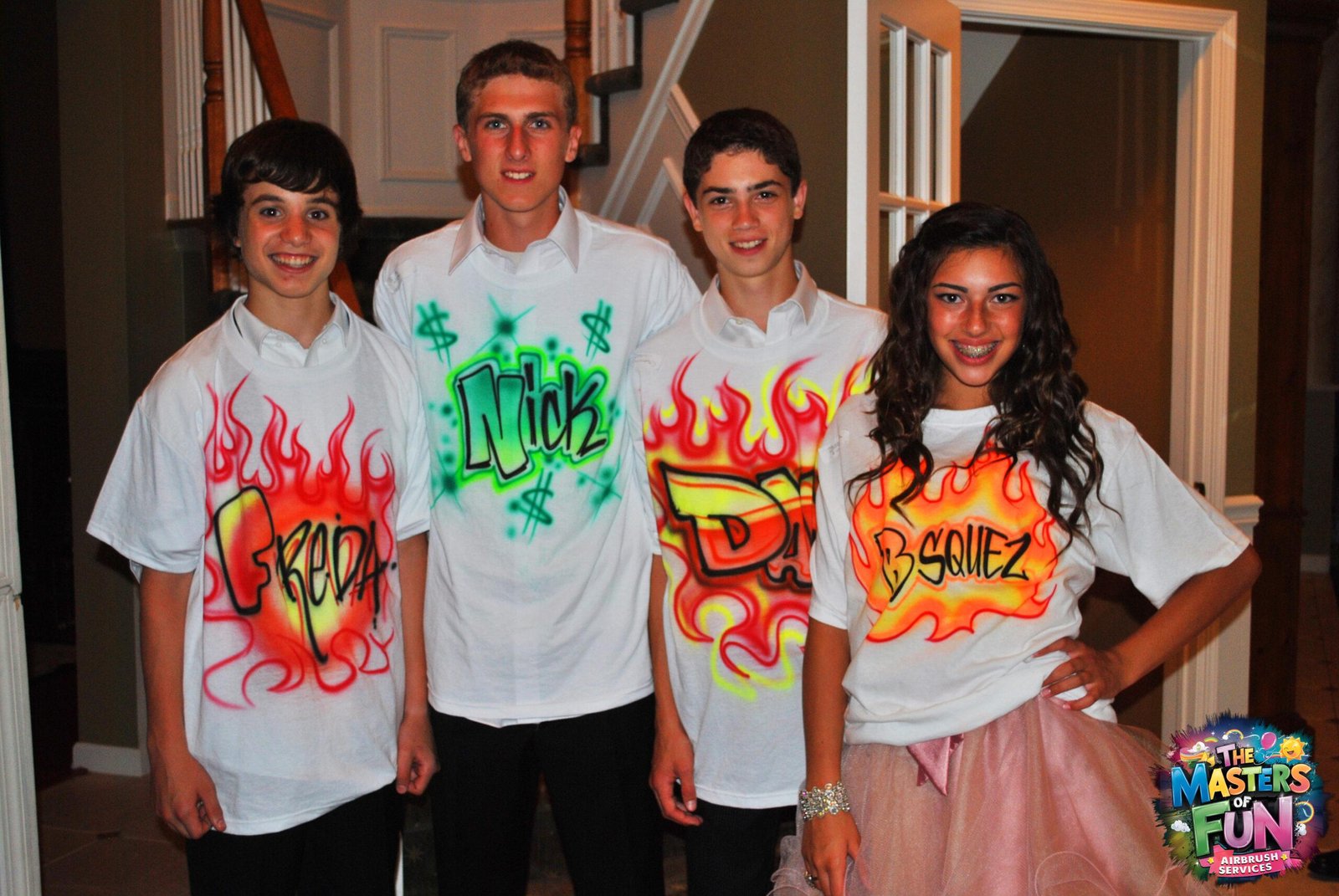
If it is applied and cared for the right way, airbrush art can easily last for years. Many people who have their shirts, hoodies, or hats airbrushed at a party still wear them long after the event, with the colors still bold and the design still holding its shape.
That said, “years” is not automatic. How long your airbrush art lasts depends on a few things working together, including the fabric it was painted on, the quality of the paint, whether it was heat set properly, and how it gets washed afterward. Get those right, and a simple painted shirt can turn into a piece you keep in your closet for a long time.
If we piqued your interest and you are ready to get started, or perhaps have some questions.
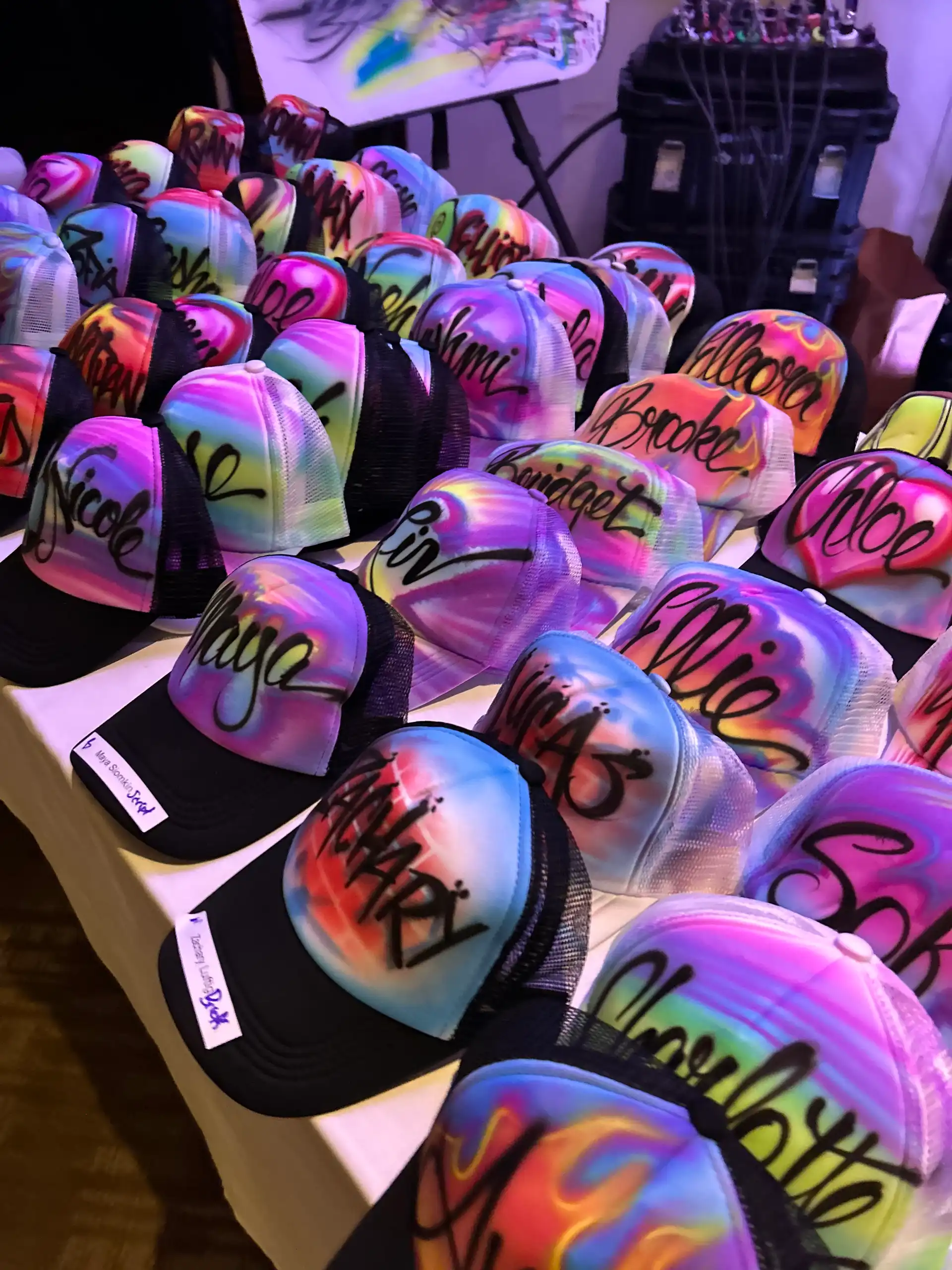
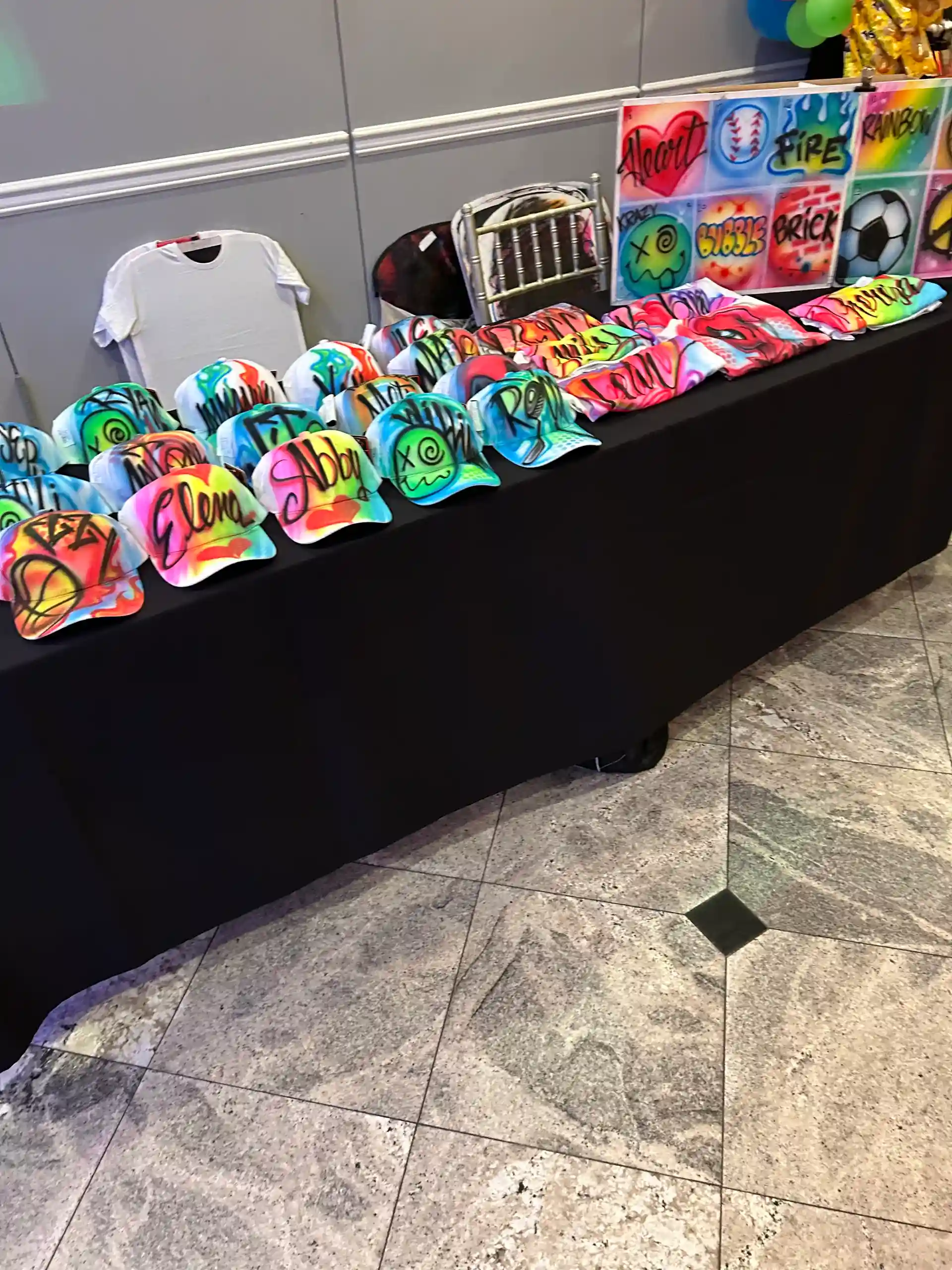
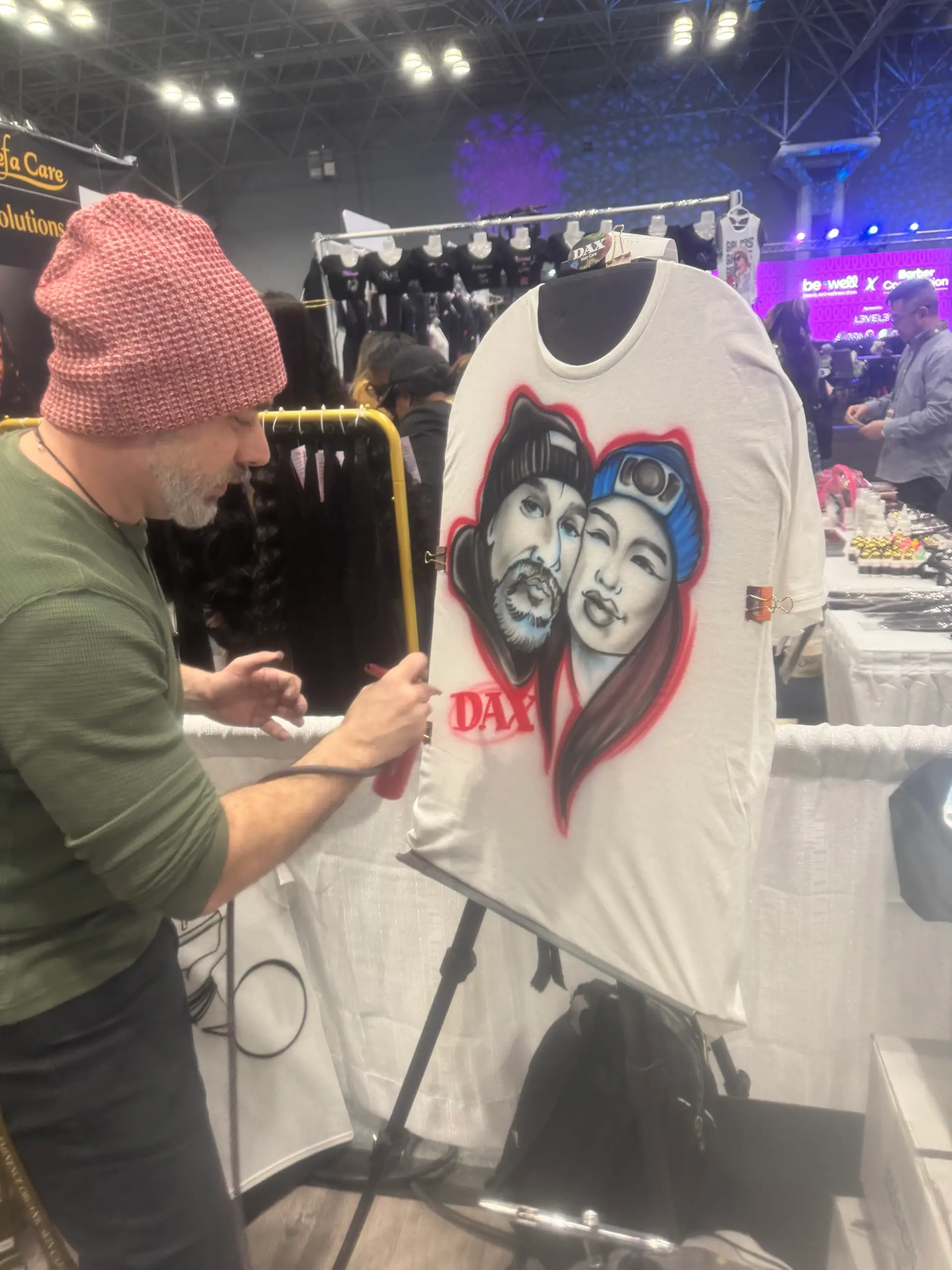
The fabric underneath the design plays a bigger role than most people expect. Cotton and cotton blend shirts absorb airbrush paint well and hold it securely, which is why most professional airbrush artists prefer them over slick, synthetic materials that paint tends to sit on top of rather than bond with.
Paint quality and heat setting matter just as much. Textile specific airbrush paint is made to flex with fabric instead of cracking, and heat setting (usually done with a heat press, dryer, or iron) bonds the pigment into the fibers so it does not simply sit on the surface waiting to wash away.
Finally, everyday habits decide whether that great first impression lasts. Frequent washing in hot water, tumble drying on high heat, and long stretches in direct sunlight will all wear down a design faster than gentle care will. A shirt that gets treated kindly can outlast one that gets thrown in with a regular hot wash load every week.
Once your guests leave the party with their new custom piece, a little bit of aftercare goes a long way toward keeping the colors sharp. None of these steps are complicated, and most take only a few extra minutes.
Freshly airbrushed paint needs time to fully cure, even after it feels dry to the touch. Waiting about five to seven days before the first wash gives the paint time to bond completely with the fabric, which noticeably reduces fading and cracking down the road.
When it is time to wash, turn the item inside out and use cold water with a mild detergent. Skip the bleach and fabric softener, since both can break down pigment over time. Air drying is the safest option, but a low heat cycle in the dryer works fine if air drying is not practical.
Sunlight is one of the biggest causes of color loss on any painted fabric, airbrush included. Storing shirts, hats, and other painted items away from windows or direct sun, and avoiding long days spent outdoors in bright light, helps keep the artwork looking closer to how it did on day one.
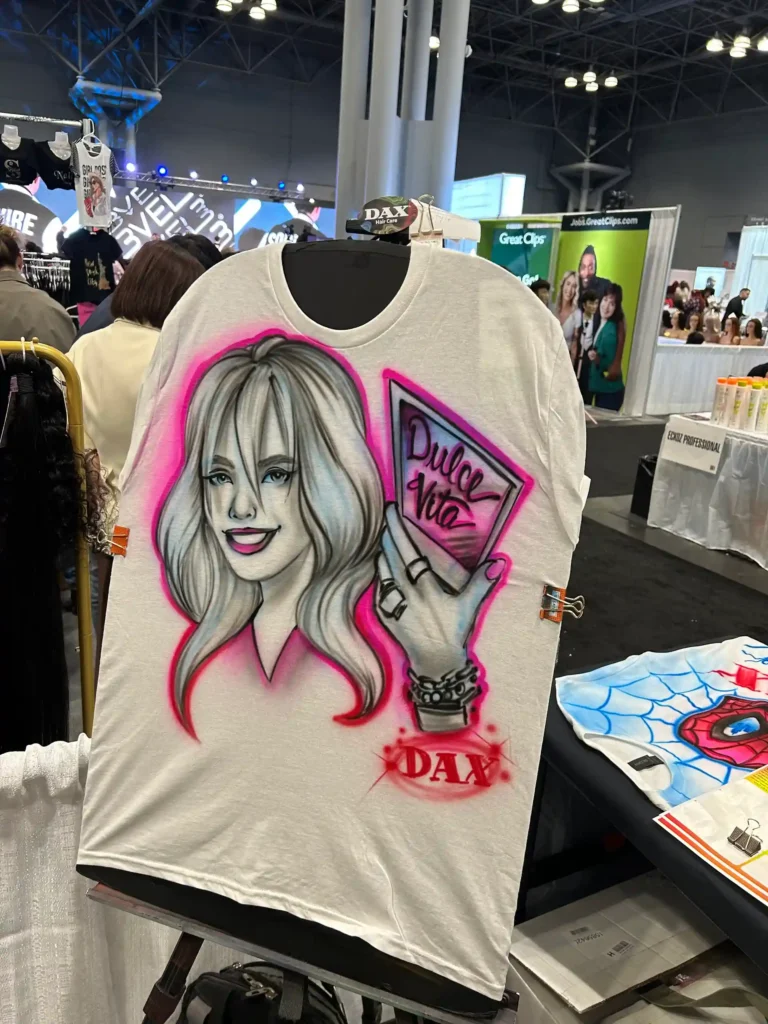
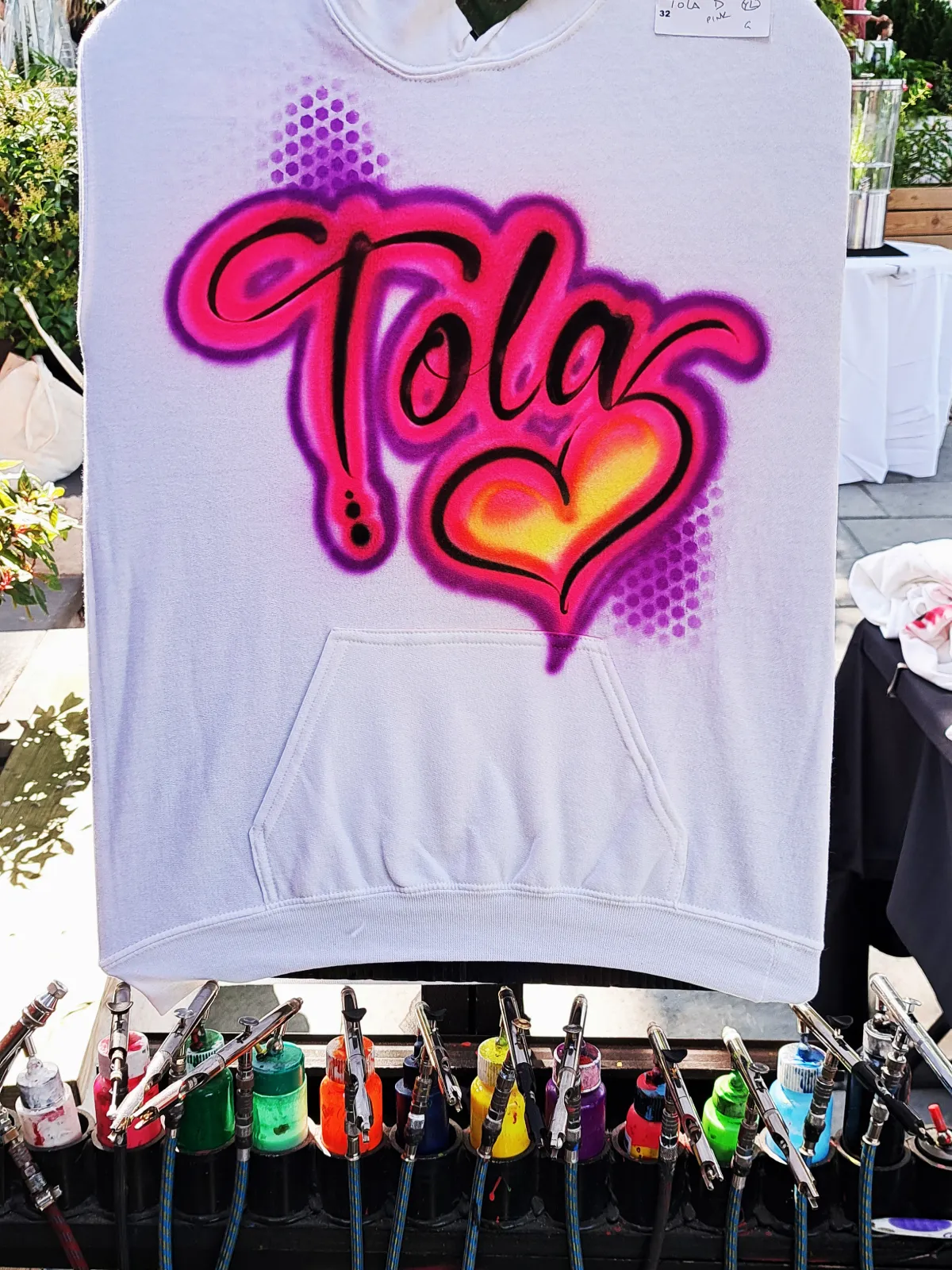
Watch for these signs that a painted piece could use gentler handling going forward.
Catching these early and switching to cold water washes, air drying, and less frequent laundering can slow things down considerably.
A great result starts well before the paint ever touches the fabric. The choices made at the event, and the artist doing the work, set the foundation for how the finished piece will hold up.
Better base fabric and better paint simply perform better over time. Shirts, sweatshirts, and sweatpants made from cotton or a heavy cotton blend give the paint something solid to bond with, which is a major reason experienced artists bring their own preferred garments to events rather than working with whatever is on hand.
Skill matters just as much as materials. An artist who understands proper layering, pressure control, and heat setting will produce work that holds up far better than a rushed job, even if both look similar the moment they are finished.
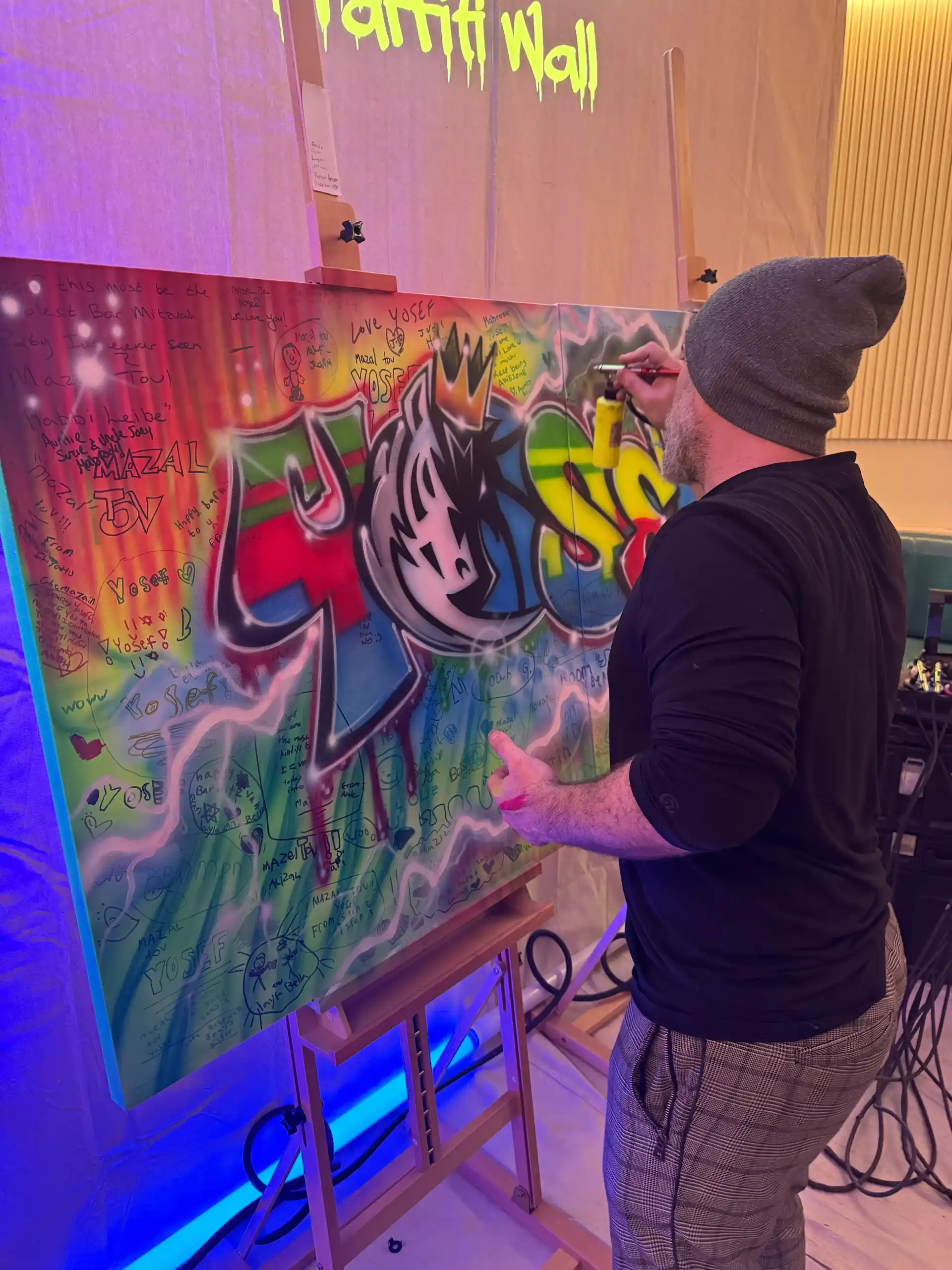
Shirts are the most requested item at almost every party, but they are far from the only option. Hooded sweatshirts and tank tops hold up just as well with the same care, hats and beanies make a fun grab and go favor, and tote bags and water bottles give guests something practical to carry the memory home in. Basketballs, mousepads, and license plates are popular novelty picks, and for bigger statement pieces, mural style airbrushing on backdrops or sign in boards adds a lasting visual centerpiece to the whole event.
Whatever the item, the same core rules apply: good fabric, quality paint, proper heat setting, and gentle care afterward. Together, they are what turn a fun party moment into a keepsake that lasts.
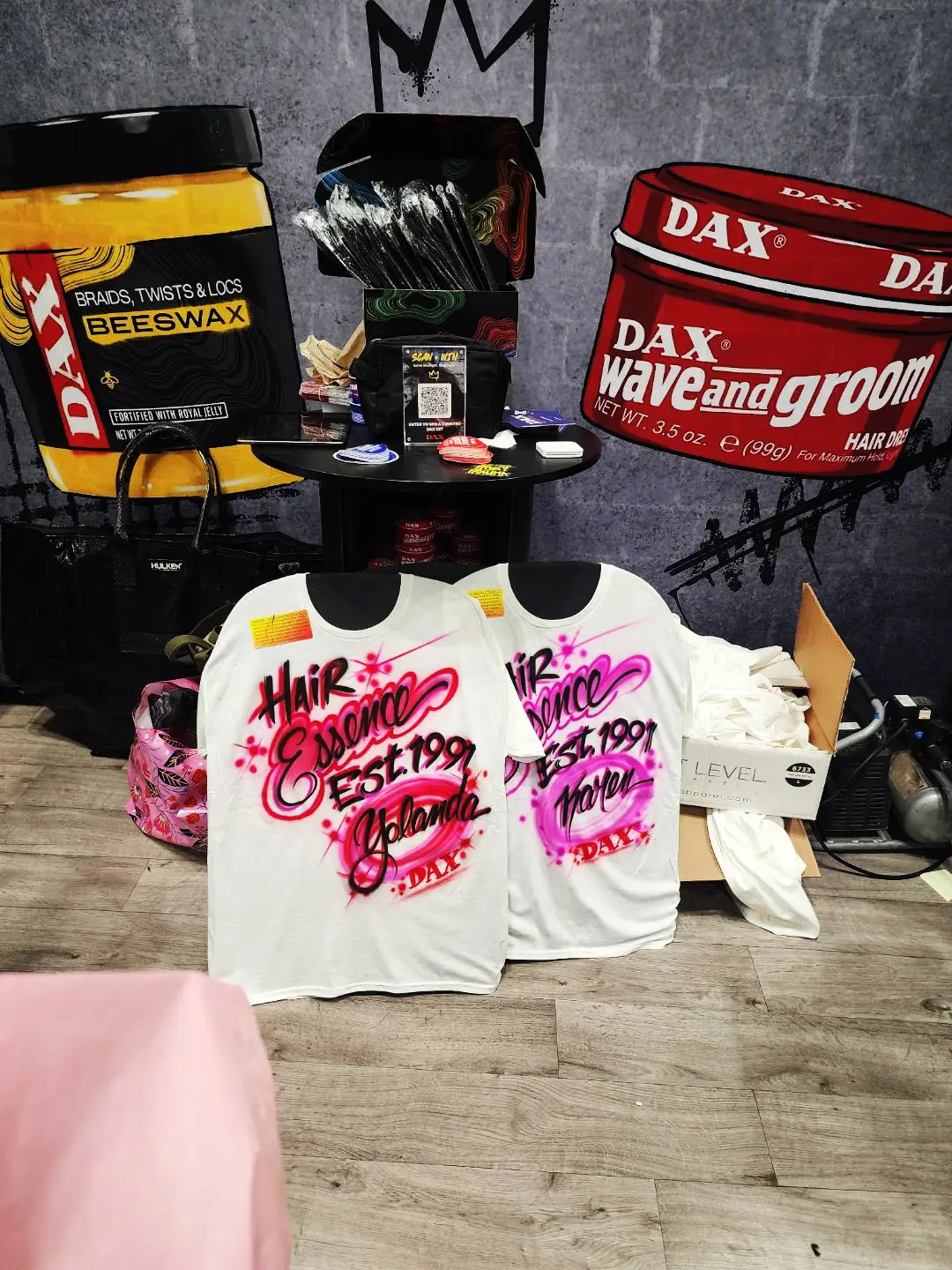
A well painted, properly cared for shirt can hold up for a year or more even with regular wear. Frequent washing and drying will speed up fading, so shirts worn weekly tend to show wear sooner than ones saved for special occasions.
Yes, as long as it is washed inside out in cold water on a gentle cycle with a mild detergent. Avoid bleach, and skip the fabric softener, since both can pull pigment out of the design over time.
Not necessarily due to the paint itself, but dark fabrics can show fading and dullness more visibly than lighter ones simply because the contrast is easier to notice. Proper heat setting and gentle washing matter just as much on dark shirts as on light ones.
Cotton and heavy cotton blends generally give the best results, since the paint bonds directly into the fibers instead of sitting on a slick surface. This is why most experienced artists bring their own cotton based garments for events.
In many cases, yes. A skilled artist can go back over a design to refresh colors or sharpen details, especially if the original piece was heat set correctly and the fabric is still in good shape.
Thank you for reaching out—we’re excited to hear about your event! You will also receive an email confirmation letting you know that we sucessfully received your completed form. If you don’t see it, please check your spam or junk folder. A member of our team will contact you within 1–2 business days.
For faster service, you’re also welcome to call us at 516.200.1184
Comments are closed