*/ AVAILABLE FOR EVENTS & BULK ORDERS (25+ PIECES ONLY). NO IN PERSON STUDIO WORK OR SINGLE PIECES \*
*/ AVAILABLE FOR EVENTS & BULK ORDERS (25+ PIECES ONLY). NO IN PERSON STUDIO WORK OR SINGLE PIECES \*

A bat mitzvah is a Jewish coming of age celebration for a girl. The words come from Hebrew, where “bat” means daughter and “mitzvah” means commandment, so the name roughly translates to “daughter of the commandment.” It marks the point when a girl is considered responsible for following Jewish teachings and traditions.
Here is something many people do not realize. A girl becomes a bat mitzvah simply by reaching the right age, whether or not there is a ceremony. The service and the party are the ways a family chooses to celebrate that moment. That is why some families keep things small and personal while others host a big event, and both are perfectly normal.
If we piqued your interest and you are ready to get started, or perhaps have some questions.
Most girls become a bat mitzvah at 12 or 13, depending on their community and tradition. Boys have a matching milestone called a bar mitzvah, which usually happens at 13. Age is the starting point, and everything else is built around it.
Before the big day, there is usually a lot of preparation. A girl often spends months, sometimes years, learning Hebrew, studying prayers, and practicing her Torah portion with a rabbi, cantor, or private tutor. Many also learn what the portion means so they can talk about it in their own words.
The ceremony is often held during a Shabbat service at a synagogue, most commonly on a Saturday morning. Depending on the congregation, the girl may read from the Torah, chant the haftarah, lead parts of the service, and give a short speech called a d'var Torah. This is the moment where she steps forward and shows what she has learned.
Traditions can look different from one community to the next. In many Reform and Conservative synagogues, a bat mitzvah takes on the same roles a bar mitzvah does. In some Orthodox communities, the milestone is marked in other ways, such as a speech, a women's prayer gathering, or a family celebration. Each approach reflects the values of the community.
The bat mitzvah is also a fairly modern tradition. The first one in the United States is widely credited to Judith Kaplan in New York in 1922. Since then the celebration has spread to Jewish communities all over the world and has become a regular, much loved part of family life.
Family and friends gather to watch her take part in the service. Relatives are often invited up for blessings, parents may share a few words, and the rabbi usually speaks to her directly. In some congregations the community throws soft candy as she finishes, as a wish for a sweet life.
Many girls also take on a mitzvah project. This might mean volunteering, collecting items for people in need, or raising money for a cause she cares about. Families often make a charitable donation in her honor as well, so the day is about giving as much as celebrating.
After the service comes the party. Some families hold a lunch right after the morning service, and others plan an evening event at a catering hall, banquet room, country club, or backyard tent. Common moments include a candle lighting ceremony, toasts from family and friends, dancing, and the hora, where the guest of honor is lifted in a chair.
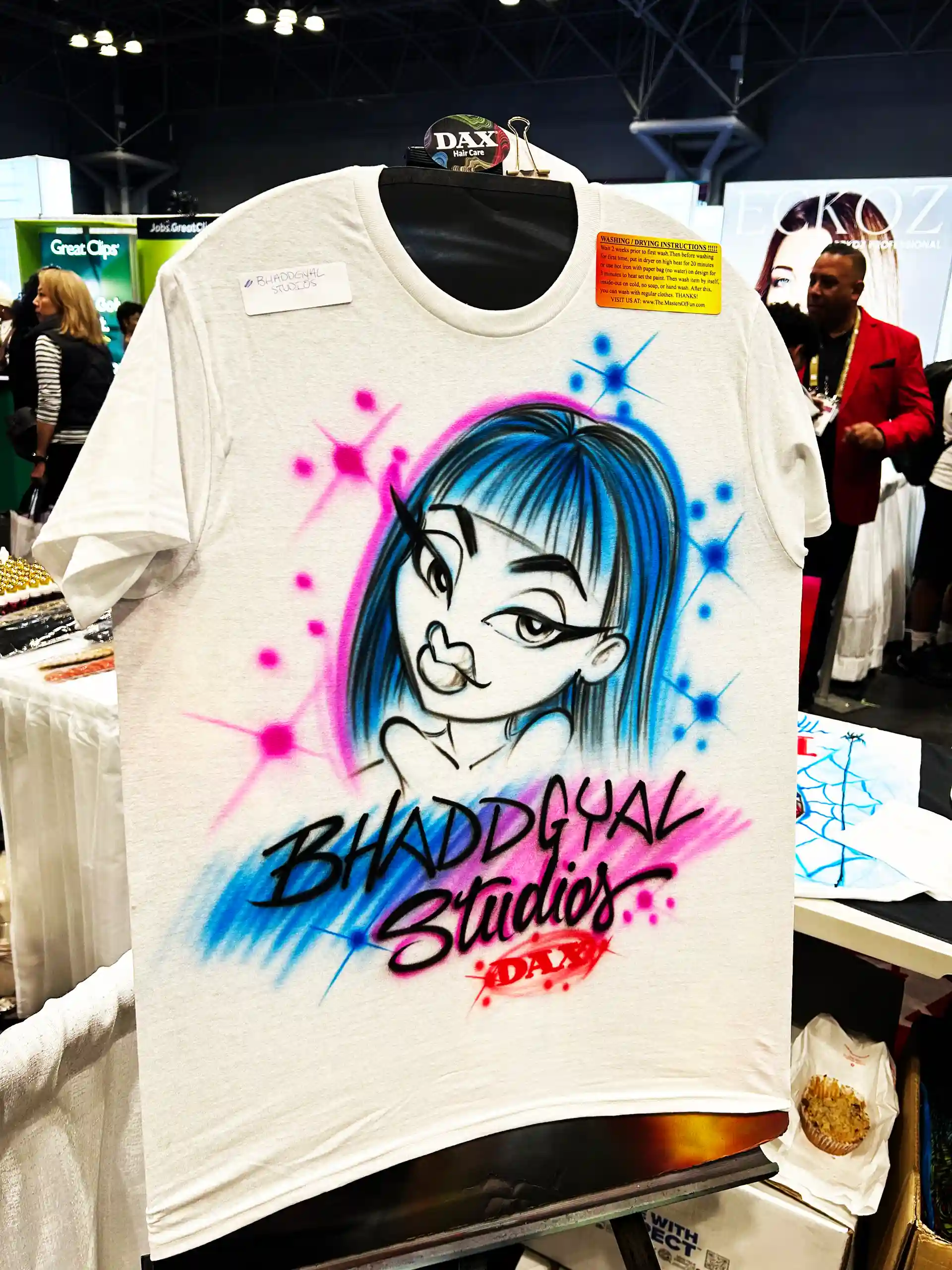
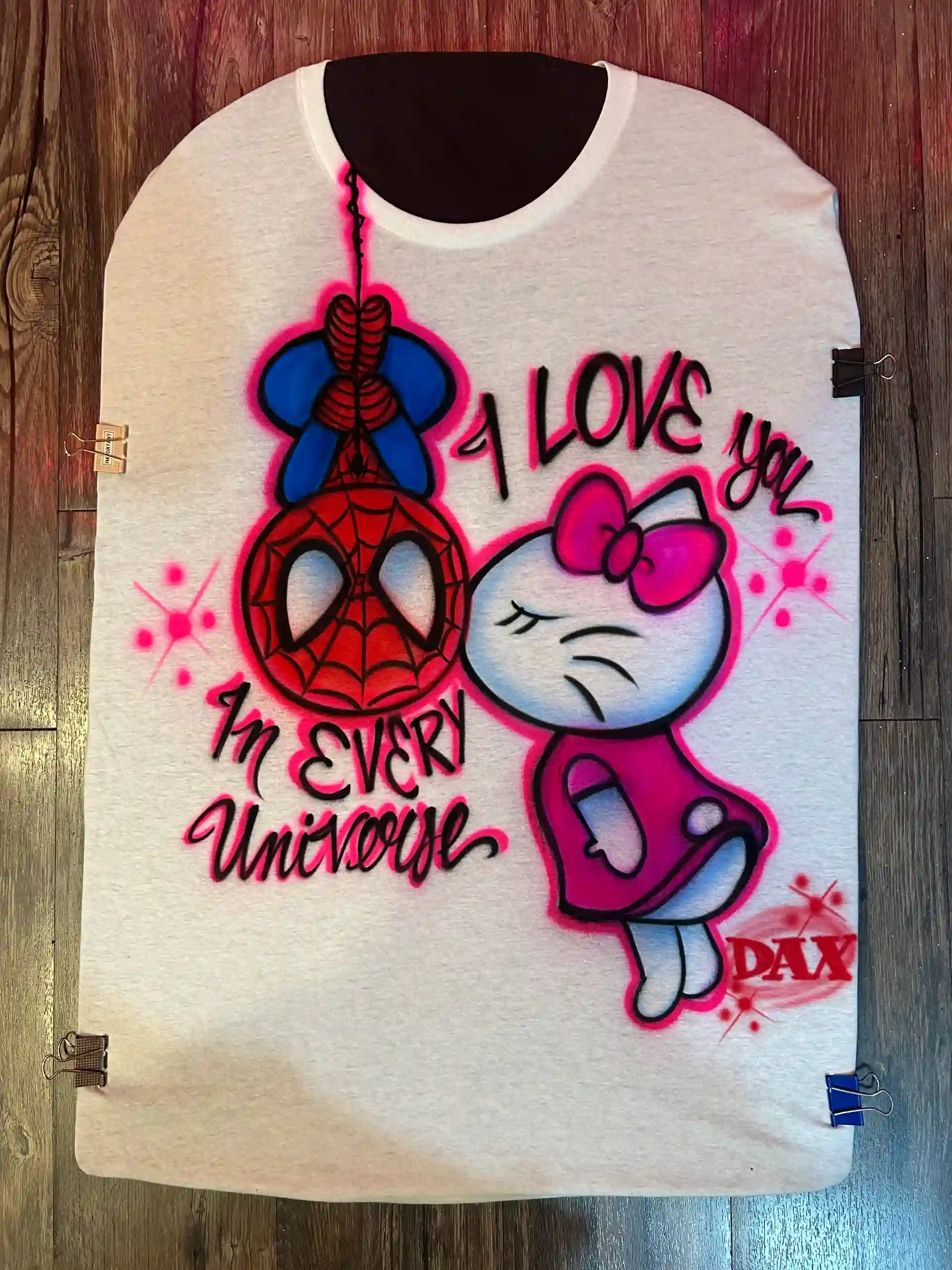
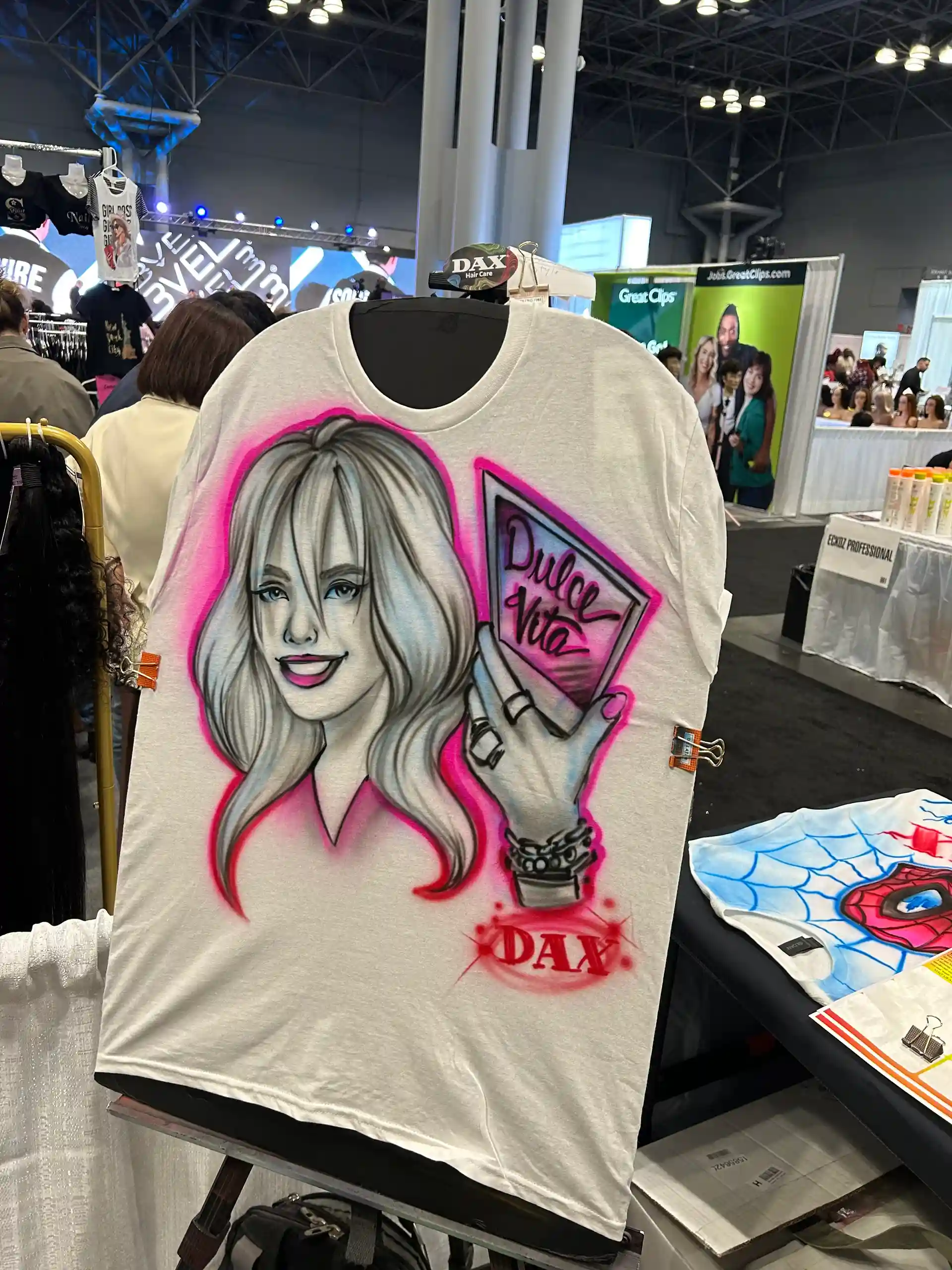
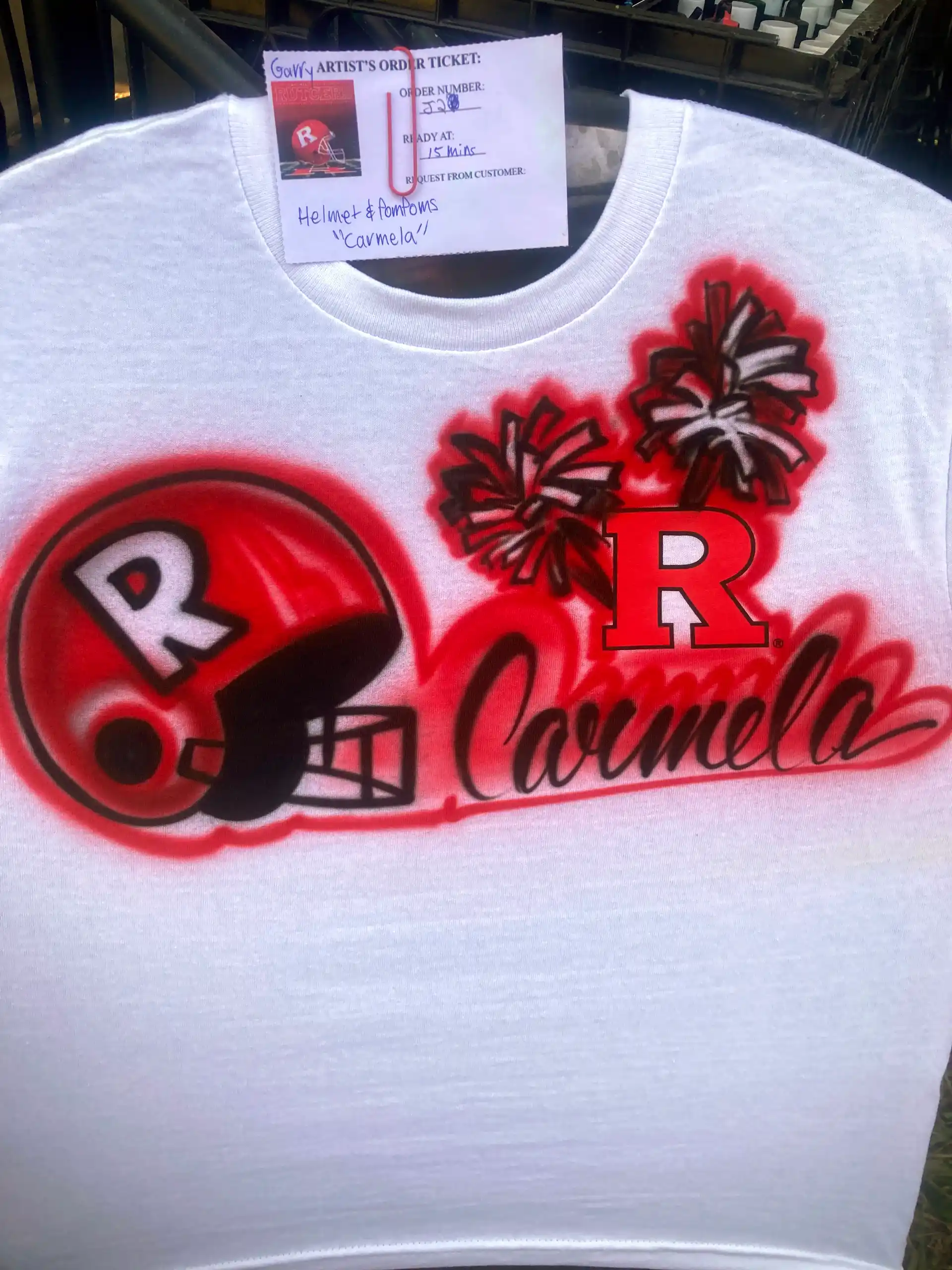
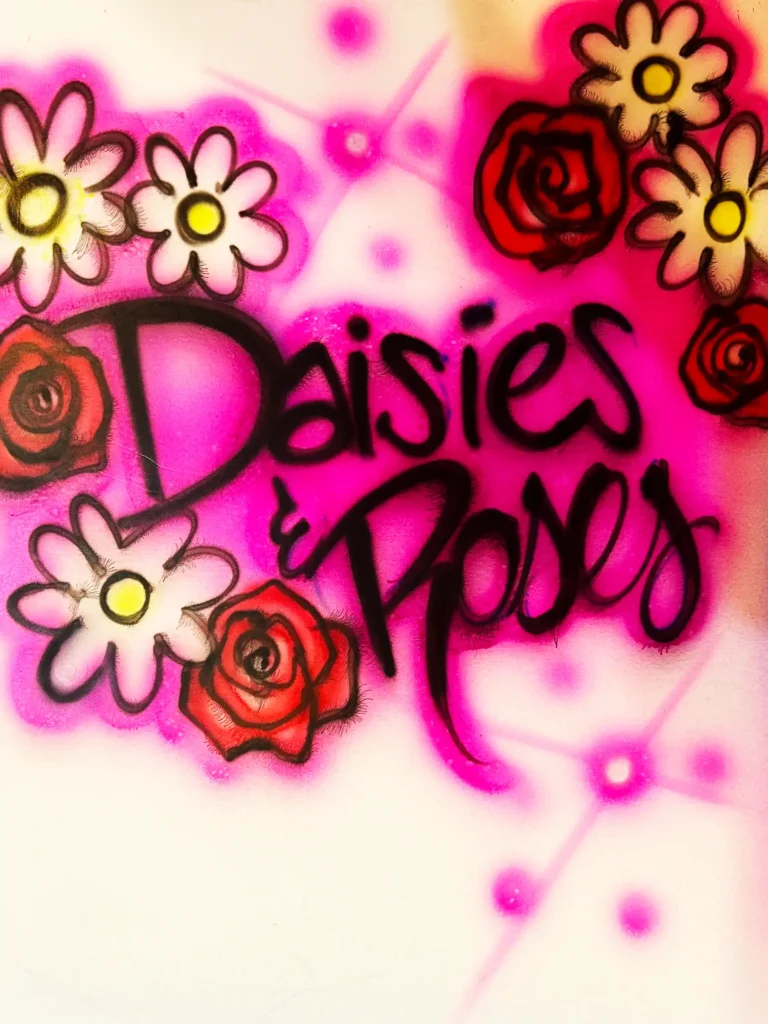
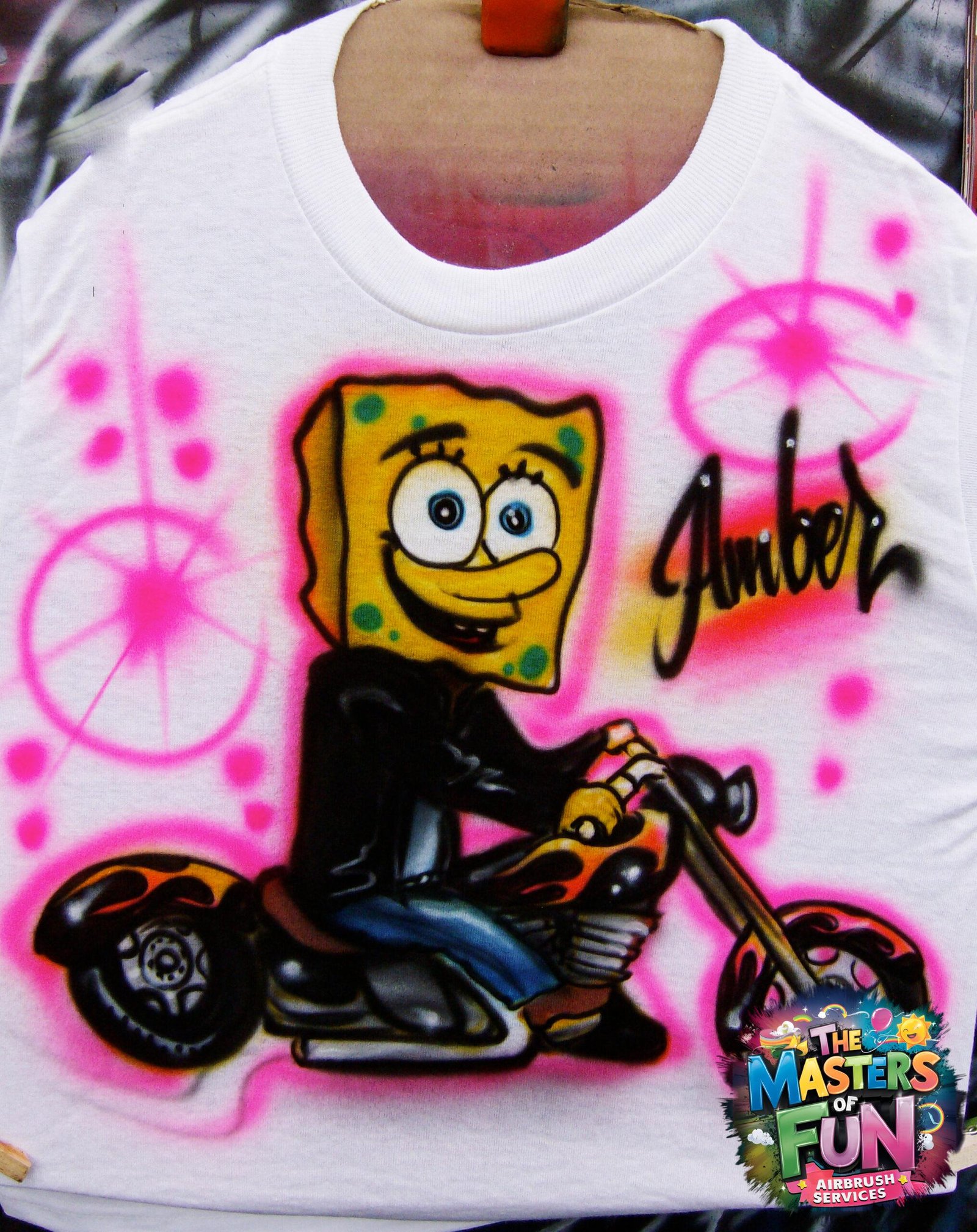
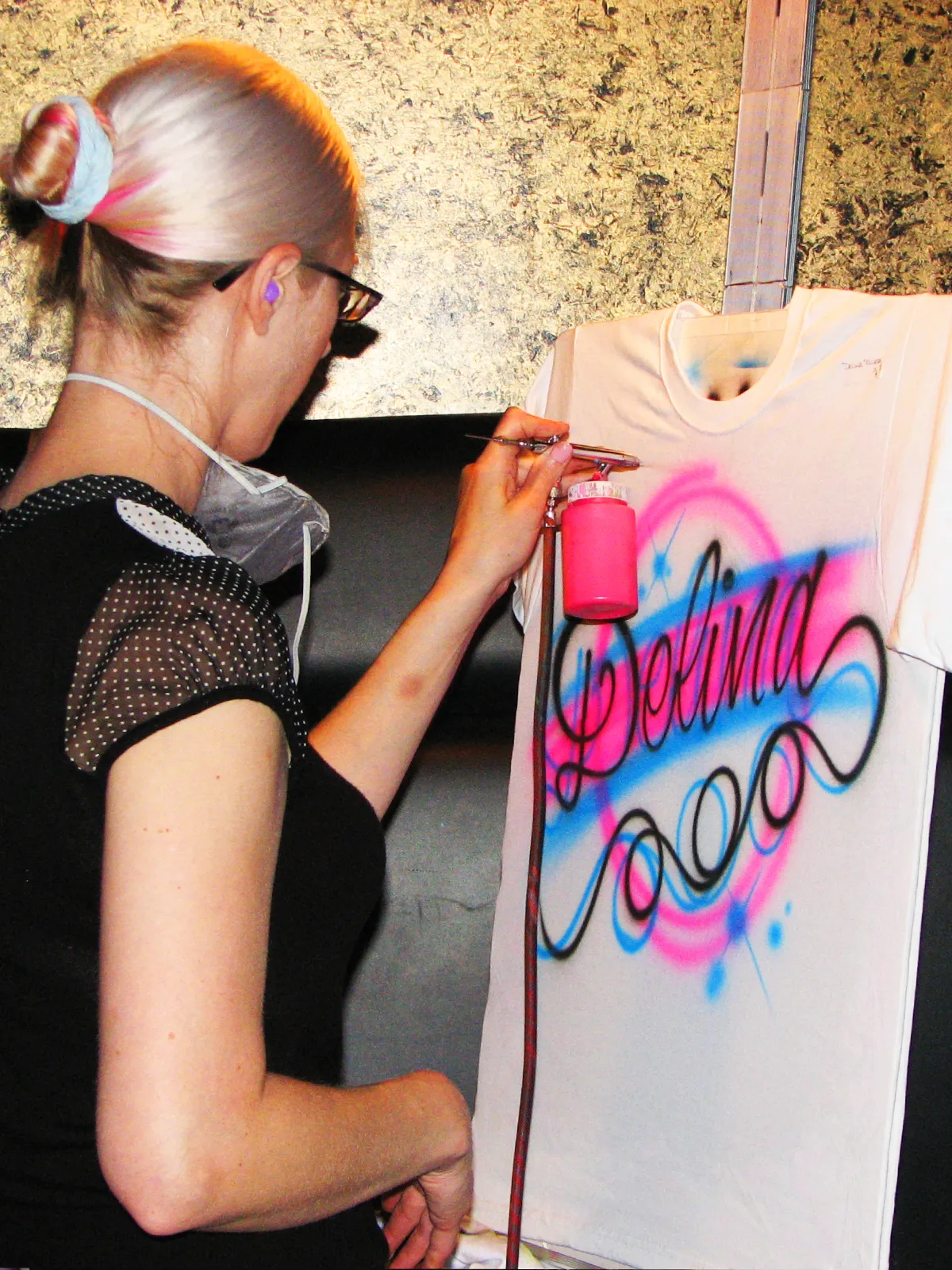
Entertainment matters because the guest list often includes grandparents, cousins, school friends, and little siblings all in one room. Many Long Island families add bat mitzvah airbrush party favors so guests can pick a shirt, hat, or hoodie and watch an artist paint it on the spot. It gives everyone something to do between dances and a keepsake to take home.
Planning usually starts with the date. Most synagogues assign dates based on the Torah portion and the calendar, so the ceremony gets settled first. Once that is set, the venue, caterer, photographer, and entertainment can fall into place.
Mitzvah season on Long Island fills up quickly. Weekends in the spring and fall go first, and a popular Saturday night can be booked a year ahead. Locking in the big pieces early means much less stress as the date gets closer.
Our team works bat mitzvahs across Nassau County and Suffolk County, in synagogue ballrooms, catering halls, and private homes. Families in towns like East Hills and East Meadow often have guest lists that stretch across three generations, so we plan the setup around the room and the crowd.
A few small details make a big difference. Put the airbrush table where guests can reach it without walking through the food service or the dance floor, and share your guest count early so we can bring enough artists to keep the line moving. If you want her name, her Hebrew name, or the date on the designs, we can prepare those stencils ahead of time.
We have been doing this since 2005 under owner Dave Pantone, and we have worked well over seven thousand events. Many families come back a few years later for a sibling’s bar mitzvah, which is just as fun to plan. Whatever size your celebration is, a day she remembers and feels proud of is the goal.
It means “daughter of the commandment” in Hebrew. The name refers to a girl reaching the age when she is responsible for Jewish religious duties.
Usually 12 or 13, depending on the community. Your rabbi or synagogue can tell you which age applies to your family.
Both mark the same milestone. A bar mitzvah is for boys and a bat mitzvah is for girls. In the past the age and the roles were different, but in many communities today the ceremony and the celebration look very similar.
No. A girl becomes a bat mitzvah when she reaches the age, with or without a party. Some families choose a small dinner at home, while others host a large event with dancing and entertainment.
Money is the most common gift, and it is often given in multiples of 18, a number linked to the Hebrew word “chai,” which means life. Other popular choices include books, jewelry, or a donation to charity in her name.
Thank you for reaching out—we’re excited to hear about your event! You will also receive an email confirmation letting you know that we sucessfully received your completed form. If you don’t see it, please check your spam or junk folder. A member of our team will contact you within 1–2 business days.
For faster service, you’re also welcome to call us at 516.200.1184
Comments are closed