

*/ AVAILABLE FOR EVENTS & BULK ORDERS (25+ PIECES ONLY). NO IN PERSON STUDIO WORK OR SINGLE PIECES \*
*/ AVAILABLE FOR EVENTS & BULK ORDERS (25+ PIECES ONLY). NO IN PERSON STUDIO WORK OR SINGLE PIECES \*
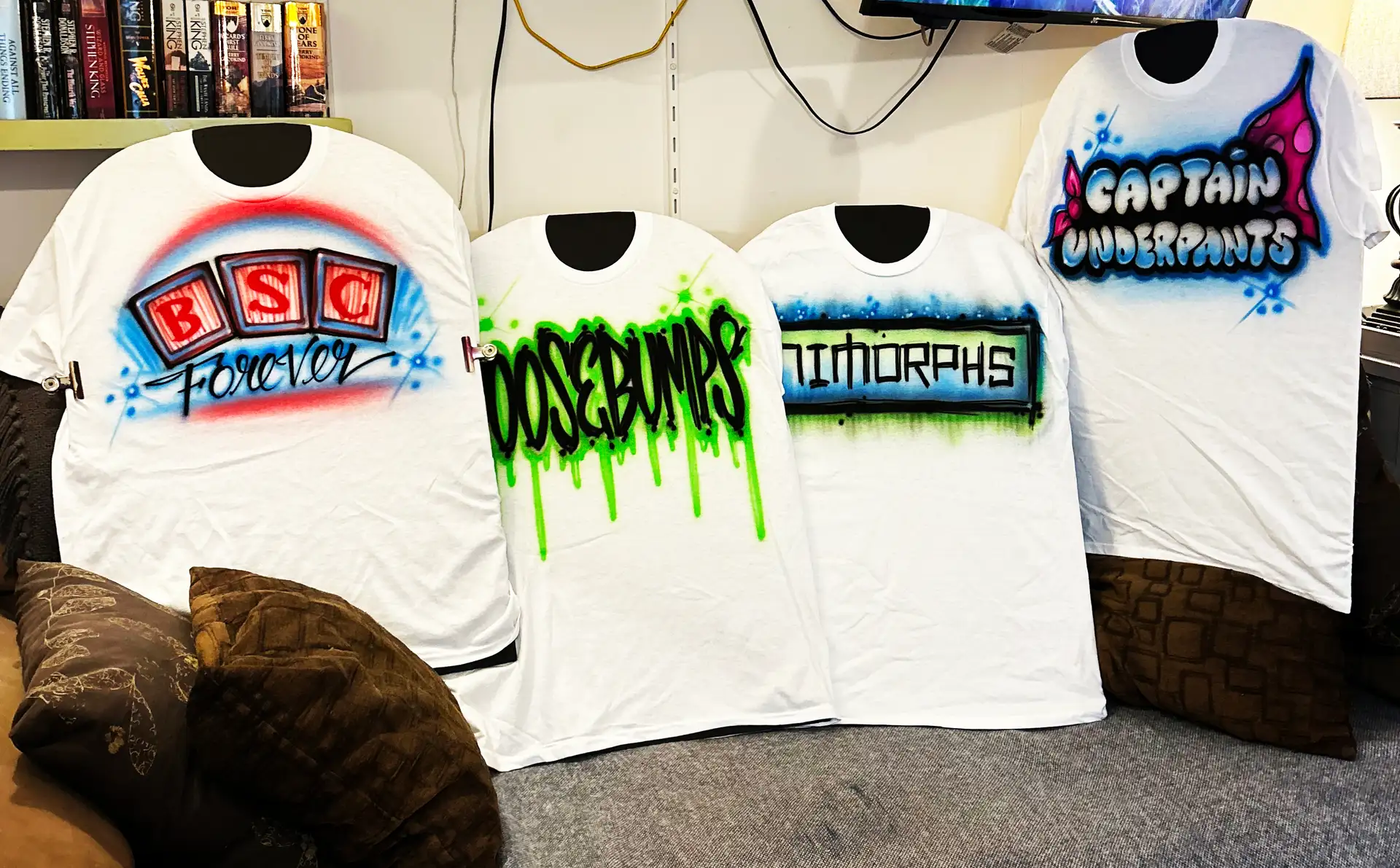
A Bar Mitzvah is the moment a Jewish boy becomes responsible for observing the commandments. It happens automatically when he turns 13 on the Hebrew calendar. The name means “son of the commandment,” from the Aramaic bar (son) and the Hebrew mitzvah (commandment). Merriam-Webster dates the word’s first use in English to 1816.
Before 13, parents are answerable for a child’s religious duties. Afterward, he is personally accountable, can be counted in a minyan (the group of ten adults needed for certain prayers), and can be called up to read from the Torah. As Exploring Judaism, a Conservative Jewish resource, explains, the age comes from the Mishnah (Pirkei Avot 5:21), which ties thirteen to responsibility for the commandments. The celebration came much later, and its first recorded mention dates to the 13th century.
If we piqued your interest and you are ready to get started, or perhaps have some questions.
No single ceremony fits every Jewish community, so the synagogue and family decide how much the boy does. Most families hold the service on a day when the Torah is read, close to his Hebrew birthday. That date often differs from his birthday on the wall calendar, so confirm it with your rabbi. Shabbat morning, on the Jewish Sabbath that runs from Friday evening to Saturday night, is the most common choice. Monday and Thursday mornings work too, because the Torah is read then as well.
The heart of the service is the aliyah, the honor of being called up to the Torah to say the blessings before and after a section is read. On Shabbat the reading has seven main sections plus a closing one, the maftir. It is common for the Bar Mitzvah boy to receive the maftir. In most synagogues a designated reader chants the text, though some boys learn to read part or all of it themselves.
Many boys who receive the maftir also chant the haftarah, a reading from the Prophets that follows the Torah portion. Most then give a short talk called a d'var Torah. In it, he explains what he learned from the weekly portion and what it means to him. This is usually where he thanks his parents, grandparents, and teachers.
He may wear a kippah, the head covering worn in the synagogue, and a tallit, the prayer shawl. Many boys receive their first tallit for the occasion. In Orthodox communities he also begins wearing tefillin, small black leather boxes holding Torah passages that are strapped to the arm and head, often one to three months beforehand. Tefillin are worn on weekday mornings and not on Shabbat. Other communities follow their own customs, so follow your rabbi's guidance.
After the reading, many congregations toss soft candy toward the boy as a wish for a sweet life. The service is often followed by a kiddush, a light meal where the community congratulates the family. Teachers differ on how much he should lead. Some expect him to chant, while others, including Chabad, stress that studying the meaning of Jewish life matters more than a polished reading.
Preparation usually takes six to eighteen months, according to Chabad’s guide. The exact time depends on his Hebrew reading level and how much he will lead. With a rabbi, cantor, or tutor, he learns the blessings for the aliyah, the melodies for chanting, and his Torah portion. He also writes his d’var Torah. Many congregations require Shabbat attendance, Hebrew school, and community service, so ask your synagogue early.
Many boys also take on a mitzvah project, which turns responsibility into action. Some study one commandment in depth, such as wearing tefillin. Others collect food for a local pantry or raise money for a cause they care about. Families often donate part of the gifts to charity, and the boy usually announces the project in his speech.
The celebration grows out of the service. It can be a kiddush lunch or a full evening party with a meal, music, and the hora, where guests circle the guest of honor and lift him in a chair. Many families build a theme around something he loves, such as a team or hobby. Families who observe Shabbat often hold music and dancing after Shabbat ends or on Sunday. Leaders across Jewish movements, including Exploring Judaism, stress that the service, not the party, carries the religious meaning.
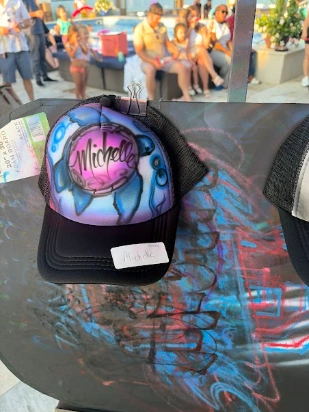
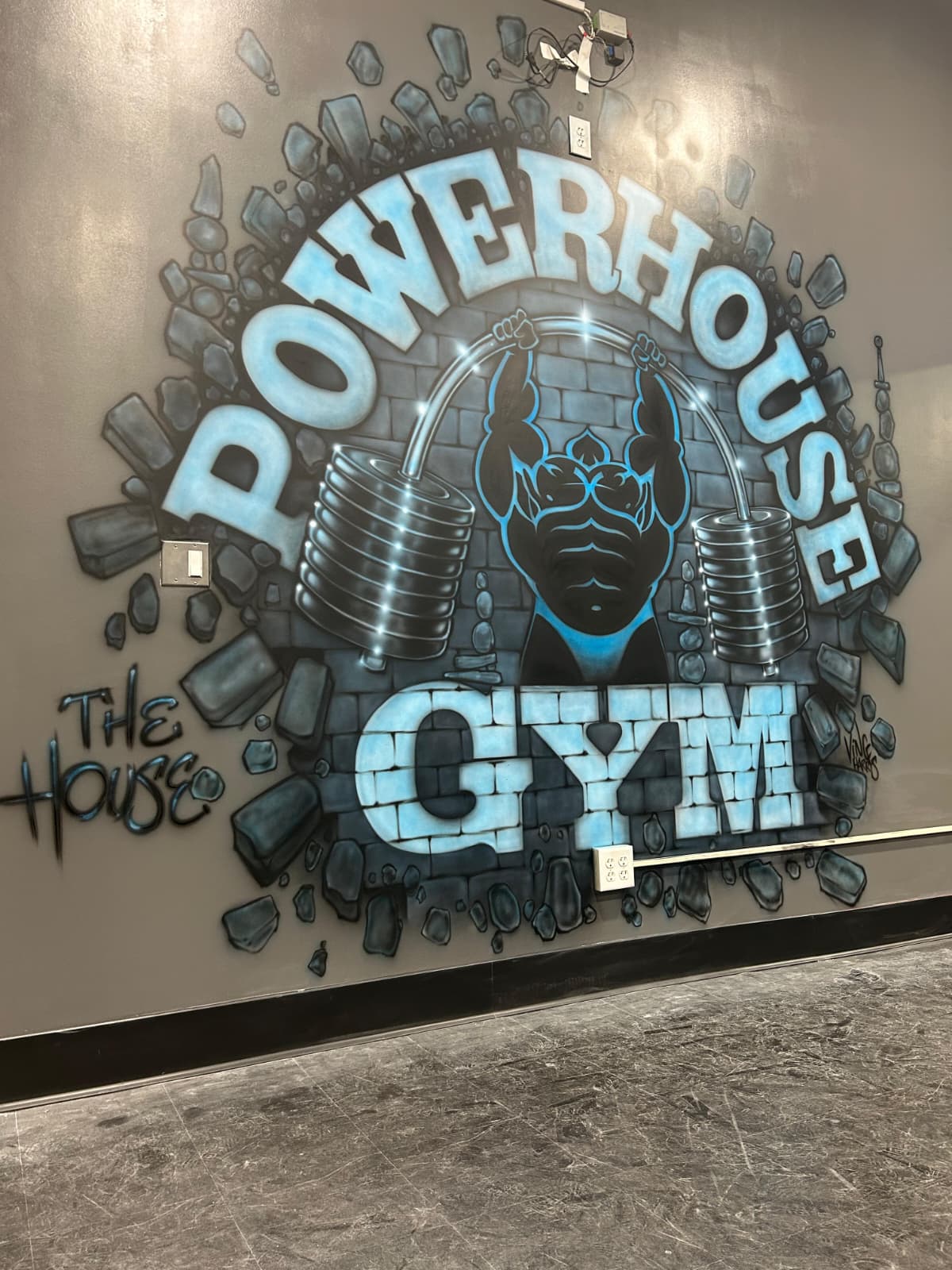
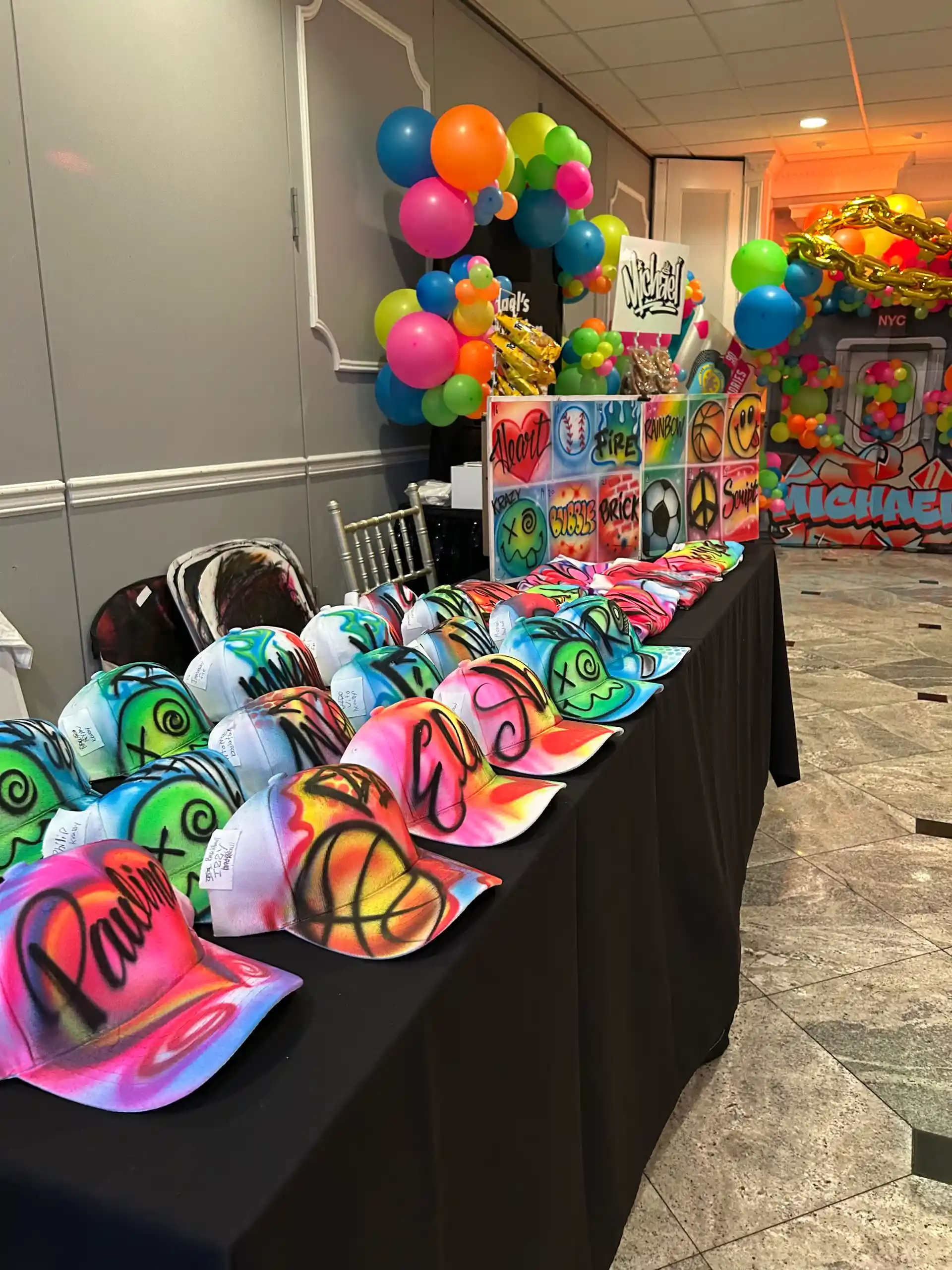
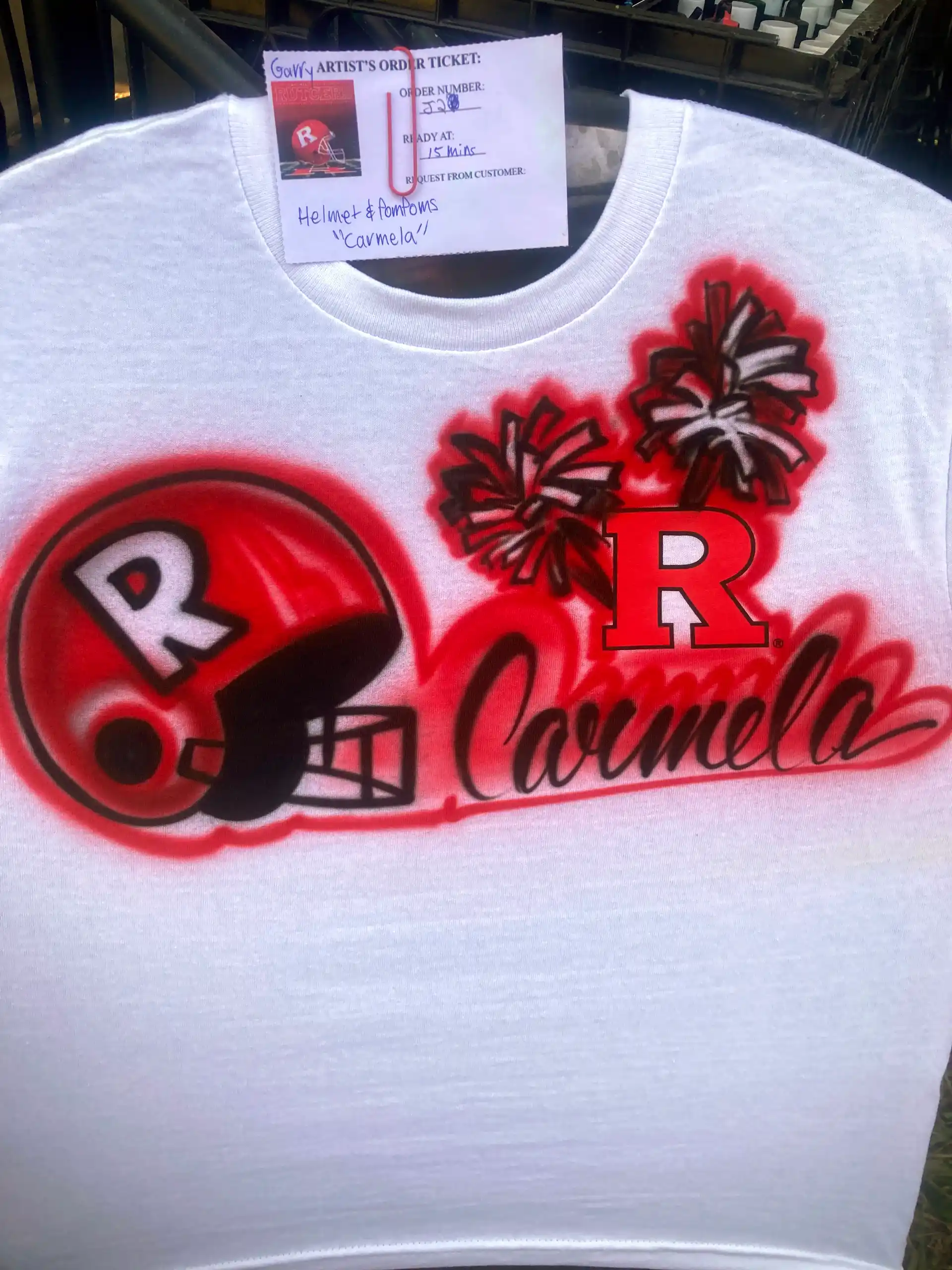
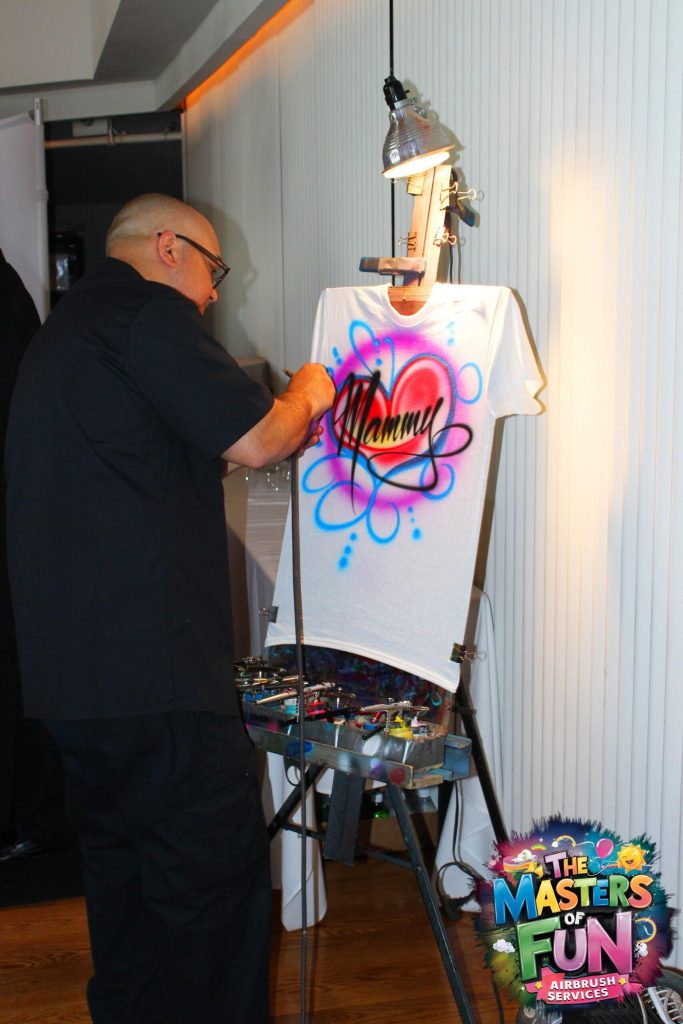
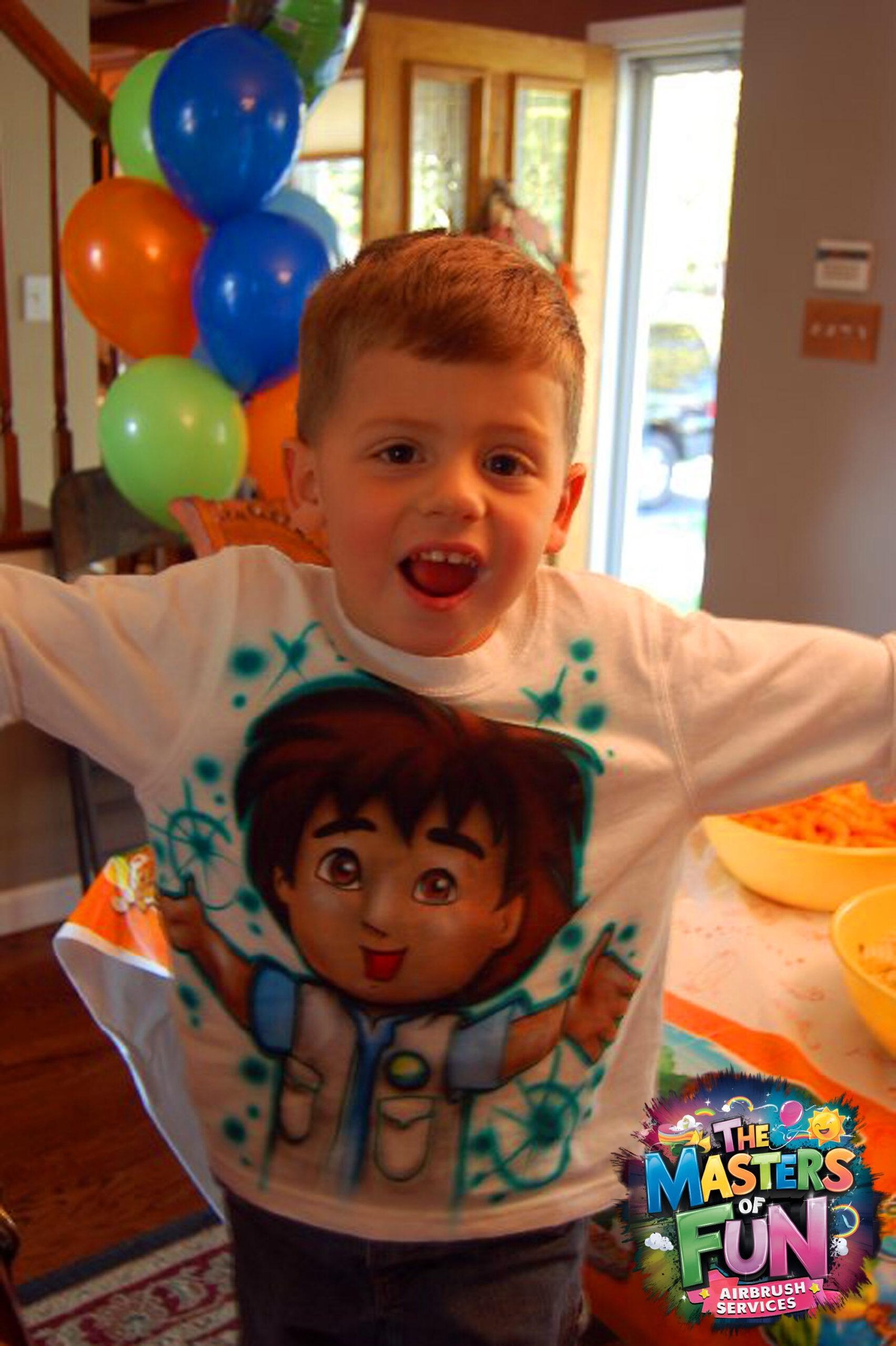
A room of 13-year-olds, grandparents, and cousins needs activities that work across ages. At Airbrush Events Long Island, our artists set up at your party and create custom airbrush party favors while guests watch. We paint T-shirts, tank tops, sweatshirts, hats, bags, sneakers, and basketballs with water-based paints. We have done this since 2005, including a Bat Mitzvah with about 120 guests. We serve families across Nassau and Suffolk counties, including East Williston and the towns on our Suffolk County page. See our Bar Mitzvah airbrushing on Long Island page for details.
Start with the date and the synagogue, because the venue, tutor, and guest list all depend on them. Confirm the Hebrew date with your rabbi, or use the date calculator linked from Chabad’s guide. Ask about the synagogue’s requirements, and book your venue 12 to 18 months ahead if you can. Spring and fall weekends fill fastest, and Long Island families often reserve a popular Saturday night a year or more in advance.
Build the rest of the calendar backward from that date. Start lessons 9 to 12 months out. Book the caterer, music, and entertainment 6 to 9 months out. Send invitations 1 to 3 months ahead, with dress and timing guidance. In the final month, confirm vendors and seating, arrange honors for relatives, and hold a rehearsal at the synagogue.
Tell guests what to expect. Men and boys usually wear a suit, or a blazer with smart trousers and a collared shirt. Women and girls wear a modest dress, a skirt and blouse, or a trouser suit. Male guests may be asked to wear a kippah, and many synagogues keep spares. Guests should arrive on time, silence their phones, and follow the congregation. Traditional synagogues do not allow photos on Shabbat.
Gifts are simple. Common choices include books, gift cards, money, keepsakes, and donations. Money is often given in multiples of 18, because the Hebrew letters of chai, meaning “life,” add up to 18. If the service is on Shabbat, some families prefer that guests not carry money or gifts into the synagogue, so bring them to the party or send them ahead. No glass is broken at a Bar Mitzvah, since that tradition belongs to Jewish weddings.
Keep the guest of honor involved, because it is his day. Let him help choose the music, theme, and keepsakes. Ask any entertainment vendor how many guests it can serve per hour, what space and power it needs, and how it works around Shabbat. If your son’s Bar Mitzvah or your daughter’s Bat Mitzvah is coming up, contact Airbrush Events Long Island early to check your date. You can also call (+1 646-260-9769), Monday to Friday, 10 AM to 9 PM.

13, counted by the Hebrew calendar. The service and party are usually held on or soon after his Hebrew birthday.
The meaning is the same. A Bat Mitzvah is for a girl and means “daughter of the commandment.” It falls at 12 in Orthodox communities and at 12 or 13 in others. The first modern public Bat Mitzvah is said to have taken place in New York in 1922. Many communities also use the gender-neutral term b’nai mitzvah, and customs for the ceremony differ.
No. A boy becomes a Bar Mitzvah at 13 with or without a celebration. Families choose anything from a small meal at home to a large event with music and entertainment.
Yes. Non-Jewish friends and relatives are often invited and welcome. Dress respectfully and follow the congregation. You are not expected to join prayers you do not know.
Yes. Many adults who did not celebrate as teenagers mark the milestone later, usually after a course of study. Some people also celebrate a second one at 83.
Thank you for reaching out—we’re excited to hear about your event! You will also receive an email confirmation letting you know that we sucessfully received your completed form. If you don’t see it, please check your spam or junk folder. A member of our team will contact you within 1–2 business days.
For faster service, you’re also welcome to call us at 516.200.1184
Comments are closed