Great Neck, NY 11021 & 115 Kensington Street Brooklyn NY 11235

*/ AVAILABLE FOR EVENTS & BULK ORDERS (25+ PIECES ONLY). NO IN PERSON STUDIO WORK OR SINGLE PIECES \*
*/ AVAILABLE FOR EVENTS & BULK ORDERS (25+ PIECES ONLY). NO IN PERSON STUDIO WORK OR SINGLE PIECES \*
Great Neck, NY 11021 & 115 Kensington Street Brooklyn NY 11235
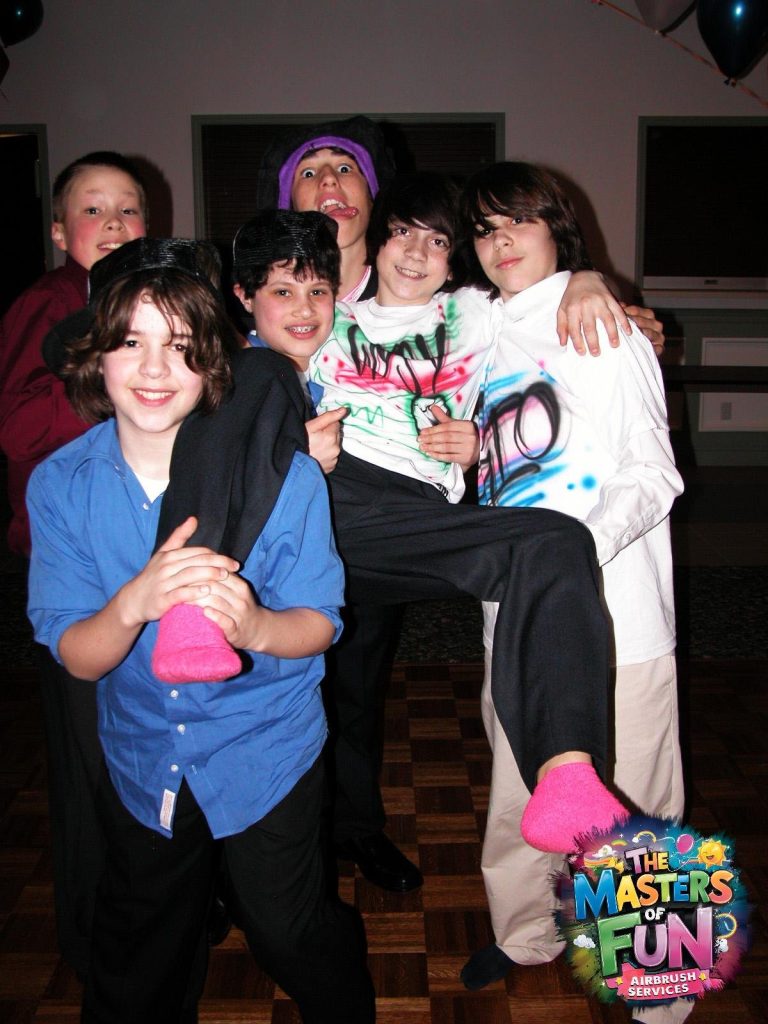
Got an invitation and wondered what happens at a Bar Mitzvah? You’re not alone. Plenty of guests attend their first one as a classmate’s parent, a coworker, or a family friend.
Here’s the short version. Most Bar Mitzvahs have a religious service at a synagogue, followed by a celebration. That celebration can be anything from a simple lunch to a full evening party.
This guide walks you through what to expect at a Bar Mitzvah, in the order it happens. You’ll know what you’ll see, what to do, and what to bring.
Customs vary by congregation and family. If this guide and your invitation disagree, follow the invitation or ask the hosts.
If we piqued your interest and you are ready to get started, or perhaps have some questions.


A Bar Mitzvah is the Jewish coming-of-age milestone for a boy at age 13. The phrase means “son of the commandments.” From this age, he is considered responsible for observing the commandments of Judaism. Families usually mark the milestone with a synagogue ceremony followed by a celebration with family and friends.
In practice, the day marks the start of his role as a responsible member of his synagogue and the wider Jewish community. The ceremony is a relatively late addition to Jewish tradition, and My Jewish Learning notes that the one essential step is being called up to the Torah.
Girls mark the same milestone with a Bat Mitzvah. Depending on the community, it is observed at age 12 or 13. The day follows a similar pattern, and you can see how families mark it at Bat Mitzvah celebrations on Long Island.
What happens at a Bar Mitzvah usually follows three stages. First, the boy takes part in a synagogue service, often on Saturday morning, where he is called to the Torah. Next, guests share a light meal called a kiddush. Finally, many families host a separate party with a meal, music, and dancing.
| Stage | When It Usually Happens | What Happens | What Guests Do |
|---|---|---|---|
| 1. Synagogue service | Often Saturday morning; sometimes Friday night, Saturday afternoon, or a weekday | Prayers, Torah reading, the boy’s blessings and readings, a short speech | Arrive at the listed time, sit and stand with everyone, silence your phone |
| 2. Kiddush | Right after the service | Blessing over wine, light meal in the social hall | Mingle and congratulate the family |
| 3. Party or reception | Right after the service or that evening | Meal, dancing, candle lighting, entertainment | Bring your gift, join the dancing if you like |


Most Bar Mitzvah ceremonies take place during the regular Shabbat (Sabbath) morning service at a synagogue. Some are held on Friday night or Saturday afternoon instead, and private ceremonies outside a synagogue are becoming more common.
Here’s what you’ll likely see, though the exact mix depends on the congregation:
You don’t need to know Hebrew. Prayer books are usually printed in Hebrew and English, and guests are welcome to hum along and take part as much as they feel comfortable.
Shabbat morning services are usually followed by a kiddush, a light meal outside the sanctuary named for the blessing over wine said just before it. The Bar Mitzvah boy may lead Ha-motzi, the blessing over bread, and the kiddush blessing over wine right after the service. This is a good moment to find the family and congratulate them.
Guests are often invited to a separate party, either right after the service or that evening. Traditional families wait until after sundown, because they don’t drive or play music on Shabbat. Venues range from the synagogue’s social hall to restaurants and large event halls.
Amagansett

Asharoken
Babylon

Baiting Hollow
A Bar Mitzvah party is a festive reception held either right after the service or that evening. Most parties include a meal, music, and dancing, and the guest of honor is sometimes lifted on a chair. Many also feature a candle-lighting ceremony honoring family and friends, plus games run by the DJ or band.
Scale ranges widely, from a casual buffet in the social hall to a seated dinner at an event venue. Many families build the décor around a theme the guest of honor chooses.
Expect some mingling time as guests arrive. Some families set out a custom sign-in board where guests write a short message to the guest of honor. It becomes a keepsake long after the party ends.
Practices vary from one congregation to the next. Treat this table as a starting point, not a ruling. Table sources: the Reform movement and the Conservative movement.
Some congregations also offer gender-neutral ceremonies, often called b’nai mitzvah. The sunset rule and the Hebrew calendar apply the same way for girls and for these ceremonies.
If you are planning a celebration for your daughter, see our page on live airbrushing for Bat Mitzvah parties.
Dancing is a big part of most parties. At some point, the Bar Mitzvah boy may be raised up on a chair while guests dance. You don’t need to know any steps. Joining the circle for a few minutes is plenty.
A popular part of many parties is the candle-lighting ceremony. The Bar Mitzvah boy lights a series of candles and honors a different friend or family member with each one. If your name is called, walk up, help light the candle, and smile for the photo.
Many parties have a band or DJ who also leads games and activities. Families often add stations that keep teens busy and send guests home with something personal.
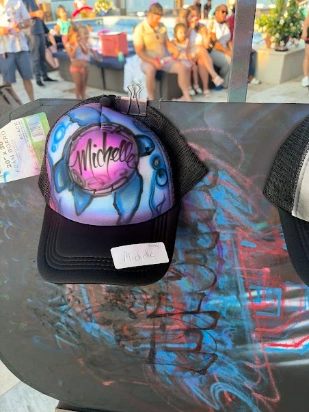
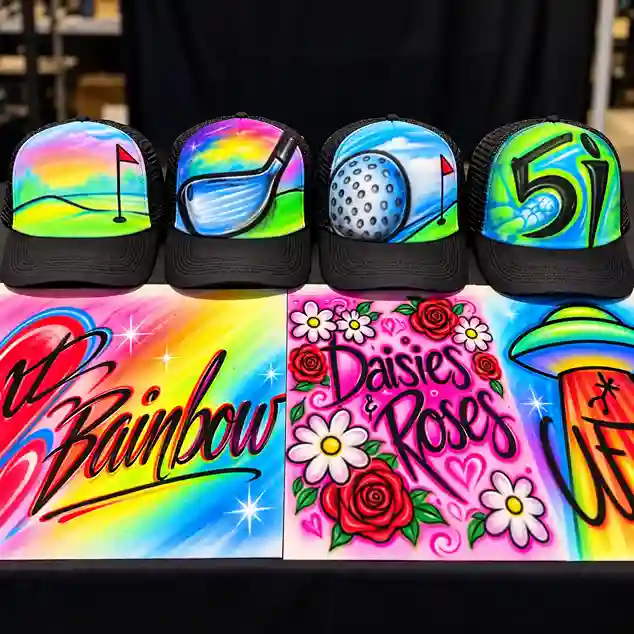
At AirBrush Events Longisland, our artists paint custom designs live at the party on items like shirts, hats, and bags. Each guest leaves with a favor made just for them. Learn more about live airbrush entertainment at Bar Mitzvah parties.
How long a Bar Mitzvah lasts depends on the congregation and the family. Service length varies widely between synagogues and denominations, and the party may follow right away or later that evening. Check the invitation for both start times, and ask the hosts if you need to plan childcare or travel.
My Jewish Learning notes that services and their length vary widely by denomination, leadership, and local custom. The Bar Mitzvah’s part comes somewhat later in the service, but family and guests still try to arrive at the start.
If the service is in the morning and the party is that night, you may have a break of a few hours in between. Use it to rest, change, or wrap your gift.
The time on the invitation is usually when the regular Shabbat service begins. Plan to be there then. During the service:
A kippah (also called a yarmulke) is a small, round head covering. Men traditionally wear one during the service, and women do too in more liberal synagogues. It’s a sign of respect for the sacred space, not of religious identity. You’ll usually find a basket of them near the sanctuary doors. Many families order personalized ones for the day, and you’re welcome to take yours home.
A tallit is a fringed prayer shawl. Wearing one is reserved for Jews, so if an usher offers you one and you aren’t Jewish, you can politely decline.
Turn your phone off or set it to vibrate, and don’t take pictures during the service. In traditional settings, photography is strictly forbidden on Shabbat. Many families hire a photographer, so you can ask for copies later. Also avoid talking during the service. In traditional synagogues, guests also avoid writing on Shabbat, so keep pens and notepads in your bag.
The phrase to know is “mazel tov” (also spelled mazal tov), which means congratulations. Say it to the Bar Mitzvah boy, his parents, and his grandparents.
Our advice: if you’re unsure about any custom, text the host a few days before. Most hosts would much rather answer a quick question than have a guest feel out of place.
Dress up. My Jewish Learning’s guest guide suggests a suit, or slacks with a jacket and tie, for men, and a dress or formal pantsuit for women. In more traditional communities, outfits tend to be dressier, women may wear hats, and pants for women are discouraged.
If the party is in the evening, the dress code may shift, so look for a note on the invitation. Comfortable shoes help if you plan to dance.
A Bar Mitzvah gift is customary for every invited guest. Money is a common choice, and checks are traditionally written in multiples of $18, because 18 is the numerical value of chai, the Hebrew word for life. Bring the gift to the party or mail it, rather than carrying it to the synagogue service.
According to the My Jewish Learning gift guide, nobody will be offended by a round amount like $50 or $100, or whatever you can comfortably afford. Gift cards, Israel Bonds, Jewish ritual items, books, and donations in the child’s honor are also options.
Gifts are best delivered at the party rather than the service, and most parties have a gift table.
Bar Mitzvah traditions vary by synagogue. Practices depend on whether the synagogue is Orthodox, Conservative, Reform, or another denomination, so checking the synagogue’s website or asking the host helps. Here’s a quick comparison:
| Custom | More Traditional Congregations | More Liberal Congregations |
|---|---|---|
| Kippah | Worn by men | Worn by men, often women too |
| Tallit | Worn by Jewish men | Worn by Jewish men and women |
| Women called to the Torah | Generally not | Yes |
| Photos on Shabbat | Strictly forbidden | Not during the service |
| Party timing on Saturday | After sundown | Right after the service or evening |
| Dress | Dressier; women may wear hats, pants discouraged | Dressy |
| Boy’s speech | May show Talmud study | May describe his charity or social action project |
These differences reflect general patterns described by My Jewish Learning, and individual synagogues may differ.
Now you know what happens at a Bar Mitzvah, from the first blessing at the Torah to the last dance of the night. If you’re a parent planning your son’s celebration, a live activity can give guests something to enjoy and take home. AirBrush Events Longisland brings live airbrushing to events and bulk orders of 25 or more pieces, so check availability for your date.
Yes. Non-Jewish guests are welcome. Stand and sit with the congregation, which shows respect rather than belief. Wear a kippah if one is offered, but you can politely decline the tallit, which is reserved for Jews. During bows, simply stay as you are.
Only if the invitation names them. Hosts plan seating, food, and kids’ activities around the guest list on the invitation. If you’re unsure, ask the hosts directly instead of bringing extra guests.
Yes. Most are held during Shabbat services on Friday night or Saturday. In more traditional communities, the ceremony is sometimes held on a weekday morning so the boy can put on tefillin, small leather prayer boxes, for the first time.
Come in quietly and wait for a natural pause, such as when the congregation is seated, before finding a seat near the back. Late arrivals are common, but avoid walking in during the Bar Mitzvah boy’s Torah reading or speech.
Thank you for reaching out—we’re excited to hear about your event! You will also receive an email confirmation letting you know that we sucessfully received your completed form. If you don’t see it, please check your spam or junk folder. A member of our team will contact you within 1–2 business days.
For faster service, you’re also welcome to call us at 516.200.1184